
The largest medical scandal of XXI century?
The leak of documents from the World Professional Association for Transgender Health exposes cruelty and hypocrisy of those “caring” for the most vulnerable children.

The Tuskegee Syphilis Study, conducted by the U.S. Public Health Service and CDC from 1932 to 1972, involved nearly 400 African American men with syphilis in a study to observe the disease's untreated progression. Despite advancements in treatment, including the discovery and later full availability of penicillin by 1947, participants were lied to, deceived, misled, and never treated, leading to over 100 deaths, additional infections among partners, and congenital syphilis in children.
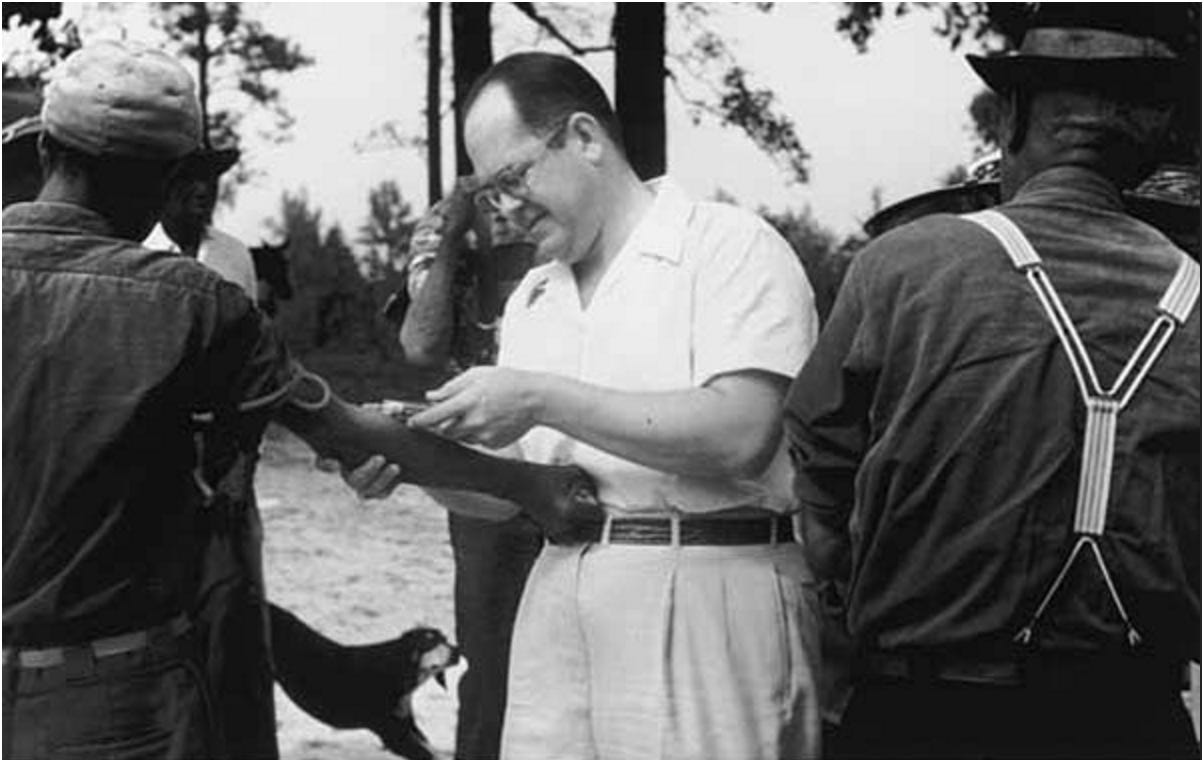
This terribly unethical experiment, lasting 40 years and violating all ethical standards, is a notorious example of medical malpractice. Its exposure led to significant changes in research ethics regulations and federal laws. The study's infamy also contributed to enduring distrust in medical science and government among African Americans. In 1997, President Bill Clinton issued a formal apology for this shameful chapter in American history.
Unethical medical experiments were also a common practice in Nazi Germany between 1939-1945. The atrocities of the World War 2 led to introduction of international ethical standards in medical research, codified in the Declaration of Helsinki - a legally non-binding document, but codified in, or influenced national or regional legislation and regulations across the world.
After what we have learned from the inhumane treatment prisoners of war in Nazi Germany, and from the unethical treatment of the Tuskegee study participants, one would think that the era of large-scale unethical medical practices, often sanctioned by the medical and political decision-makers is gone. But one might be wrong...
What is WPATH?
WPATH is an acronym for the World Professional Association for Transgender Health – an organisation founded in 1979 by endocrinologist and sexologist Harry Benjamin.
The primary aim of the organisation was to create an international community of professionals specialising in the treatment of gender-related differences. This goal has been achieved, and WPATH has gained tremendous influence worldwide, becoming the leading organisation in setting “standards” of medical care for transgender individuals. Currently, WPATH has approximately 2,500 members worldwide.
Despite its grand title, WPATH is neither solely a professional body – a significant proportion of its membership are activists – nor does it represent the “world” view on how to care for this group of people. The medical transitioning of children has become one of the most controversial and polarising issues of our time. For some, it is a medical scandal. For others, life-saving treatment.
Despite the above, the WPATH's “Standards of Care” were adopted by the WHO, the US government, National Institutes of Health, and every major medical association in the USA. Most Australian clinics performing gender correction procedures use WPATH's recommendations. WPATH specialists' views also have a significant impact in the UK:
WPATH’s Standards of Care have been cited as a source of “best practices” in healthcare for transgender individuals by the British Medical Society
and General Medical Council…
The Royal College of Psychiatrists refers to WPATH in its own guidelines for care of transgender individuals.
Several staff members of English adult gender equality clinics for the National Health Service are not only WPATH members (one of them is a former president) but also authors of the current Standards of Care, which remove all age restrictions for those seeking gender transition.
So too was Susie Green, the former boss of the young people’s charity Mermaids; a lack of medical expertise does not exclude either membership of WPATH or the power to influence policy, according to The Guardian.
With such broad adaptation by leading institutions and government bodies worldwide, someone could reasonably assume that the guidelines must be based on a robust, verified, solid, clinically and ethically sound, unambiguous evidence.
For some reason, however, this does not seem to be the case…
What are WPATH files?
The WPATH Files mainly consist of records of discussions held on the organisation's online forum, where individual cases, video recordings of workshops, and discussion panels, research results hidden from the public, etc. were discussed.
These materials were released earlier in 2024 by WPATH whistleblowers to Michael Shellenberger, a journalist who previously engaged in revealing Twitter files exposing pressures from the Trump administration on this social media platform.
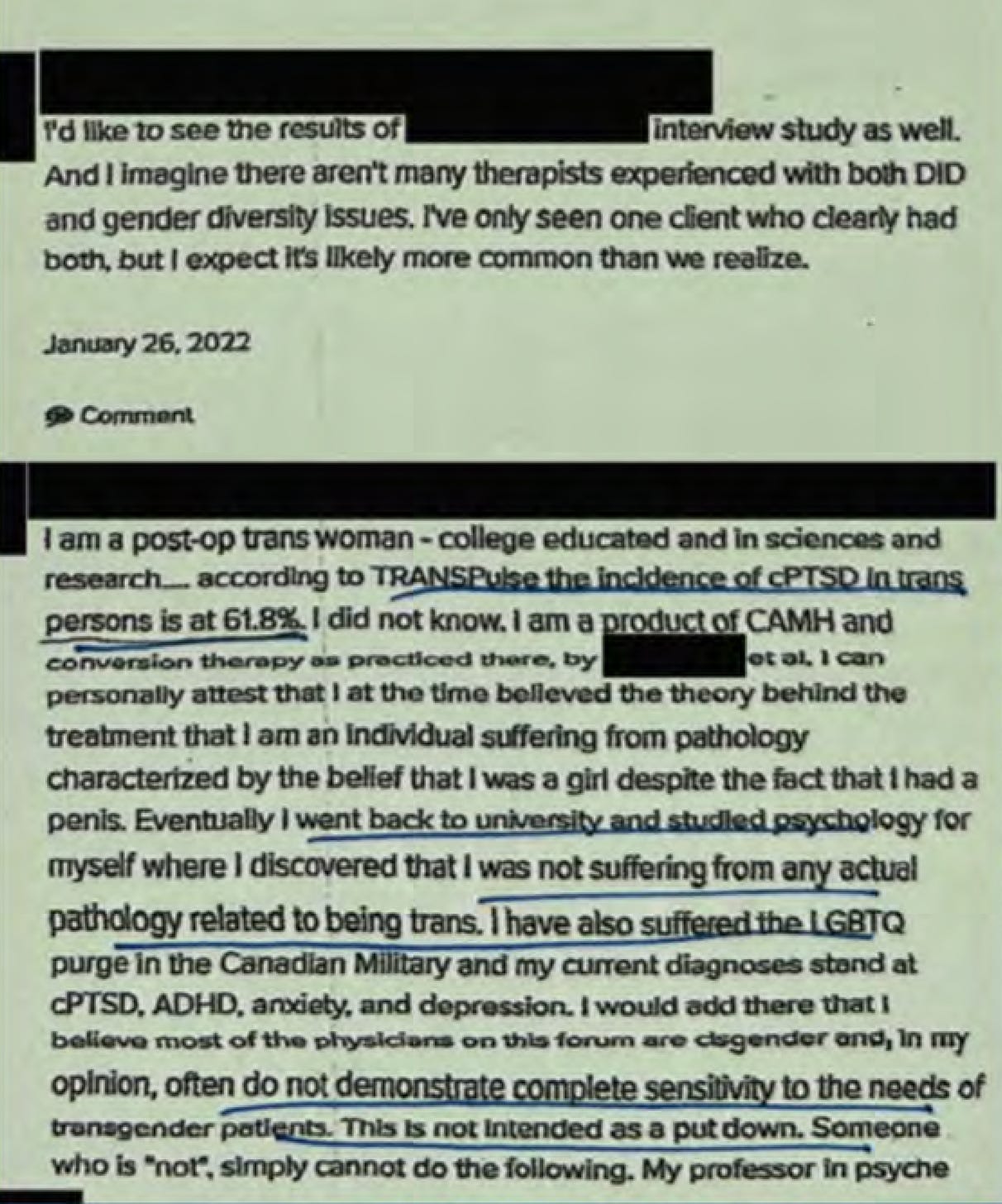
The WPATH Files fully expose the abyss of hypocrisy of people influencing medical care for transgender individuals worldwide. Described experiments have irreversible tragic consequences: permanent mutilation, sexual dysfunctions, infertility, chronic pain, urinary or bowel disfunction, cancer, and many others, including death.
Among those subjected to these experiments were children (a 4-year-old, a 10-year-old girl whose puberty was blocked), disabled (a 13-year-old with developmental delays), and mentally ill individuals (dissociative identity disorder, schizophrenia, autism).
Discussions conducted by WPATH “specialists” clearly show that they were fully aware that in most cases, the patients have never given an informed consent to the therapies they were subjected to. The WPATH practitioners and members privately admit that they fully realise that they do not understand the methods they use, do not know long-term effects of the the treatments and procedures they expose patients to, and are unwilling to initiate any systematic research into those practices (!)
Meanwhile, the official WPATH Standards of Care say nothing about known risks discussed in a private forum between “experts”, encouraging the use of methods aimed at hormonal and surgical gender modification, presenting them as methods to prevent suicides among transgender-identifying individuals (without any evidence able to substantiate such claims).
The latest (eighth) version of the “standards” (published in October 2022) removes any age barriers for medical interventions and advocates separating ethical issues from medical decisions - in contrast to the majority of considerations in all medical specialities.
